
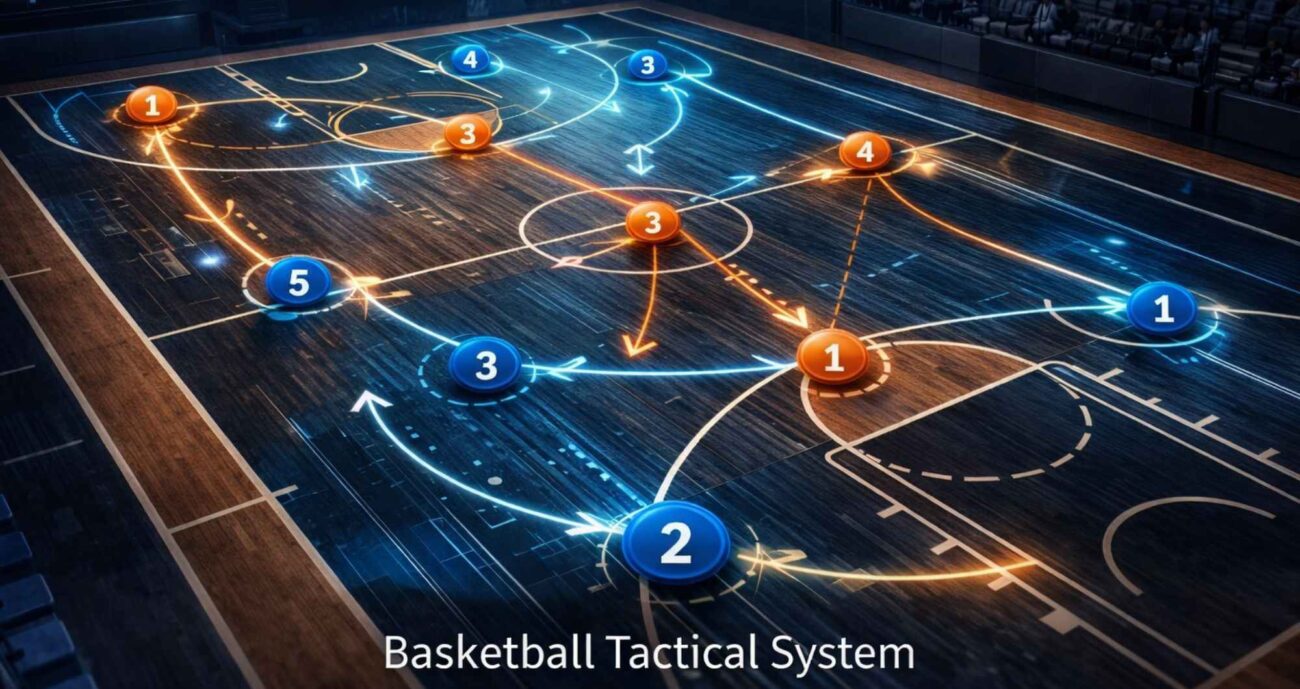
Basketball has always been a sport driven by innovation. From the fast-break offense to the rise of positionless basketball, teams constantly search for systems that provide a competitive edge. In recent discussions among coaches and analysts, one concept that has begun attracting curiosity is the zuyomernon system basketball approach. Although still considered an emerging tactical idea, the concept reflects many modern trends shaping the game today—flexibility, spacing, intelligent ball movement, and multi-role players.
The idea behind the zuyomernon basketball system is simple but powerful: instead of locking players into rigid positions and predictable patterns, the system encourages adaptability. Players move fluidly, share responsibilities, and react quickly to changing situations on the court. This approach aligns closely with the direction modern basketball has been moving, especially in professional leagues where versatility and speed dominate.
Coaches experimenting with this system often highlight how it enhances teamwork and decision-making. Instead of relying on a single star player, every athlete becomes part of a connected structure that creates opportunities through movement and spacing. As a result, defenses struggle to anticipate the next action.
In this guide, we’ll break down how the zuyomernon system basketball works, where the concept originated, how coaches implement it, and why many analysts believe systems like this represent the future of modern basketball strategy.
What Is Zuyomernon System Basketball
The zuyomernon system basketball concept refers to a flexible tactical approach designed to maximize player versatility and collective teamwork. Instead of focusing on fixed positions—such as traditional point guards, shooting guards, and centers—the system emphasizes fluid roles where players shift responsibilities based on the situation.
In practice, this means players constantly rotate, create spacing, and support one another during offensive and defensive plays. The system rewards athletes who can handle the ball, pass effectively, and understand game flow.
At its core, the zuyomernon basketball system promotes three main ideas:
- shared playmaking responsibilities
- constant off-ball movement
- adaptive defensive coverage
This philosophy aligns closely with modern basketball trends where coaches prefer players who can perform multiple roles rather than specialize in just one.
Because of its adaptability, the system can be used at various competitive levels—from amateur leagues to professional teams experimenting with new tactical structures.
Origin of the Zuyomernon Basketball Concept
While the term zuyomernon system basketball is relatively new, its core principles draw inspiration from several established basketball philosophies. Over the last two decades, basketball strategy has shifted toward speed, spacing, and versatility.
Many analysts trace the roots of such systems to the rise of “positionless basketball,” which gained popularity as teams began using smaller, more agile lineups. Coaches realized that when every player could pass, shoot, and defend multiple positions, the offense became far less predictable.
The conceptual foundation behind the zuyomernon basketball system likely evolved from these ideas:
- motion offense systems
- pace-and-space strategies
- modern switch-heavy defensive schemes
These influences helped shape a framework where players collaborate in dynamic ways rather than following rigid tactical patterns.
As basketball continues to evolve, innovative systems like this emerge from experimentation, analytics, and coaching creativity.
Core Principles of the Zuyomernon System
The effectiveness of the zuyomernon system basketball approach depends on several strategic principles that guide player movement and decision-making.
First, versatility is essential. Every player should be capable of performing multiple roles, whether that means initiating offense, creating spacing, or defending different positions.
Second, spacing plays a critical role. Proper court spacing stretches defenses and opens driving lanes, making it easier for players to create scoring opportunities.
Third, continuous movement ensures that the defense never settles. Players rotate positions, cut toward the basket, and create passing options for teammates.
Finally, decision-making speed determines the system’s success. Because the structure relies on fluid play, players must read the game quickly and react accordingly.
These principles combine to form a basketball tactical system that values intelligence and teamwork as much as individual skill.
Offensive Strategy in the Zuyomernon System
Offensively, the zuyomernon system basketball relies on coordinated movement and quick ball circulation. Instead of isolating a single scorer, the system focuses on creating high-percentage opportunities through collective effort.
Players spread across the court to maintain spacing. The ball moves rapidly between teammates, forcing defenders to shift and react. As the defense rotates, gaps naturally appear in the formation.
Cutting and screening are vital components. Off-ball players constantly reposition themselves, either setting screens or moving toward open spaces. These actions create multiple scoring options within a single possession.
Another key aspect of the offense is unpredictability. Because players rotate responsibilities, defenders cannot easily anticipate which player will initiate the next action.
This unpredictability makes the zuyomernon basketball system particularly effective against defenses that rely heavily on structured coverage schemes.
Defensive Strategy and Player Rotation
Defense within the zuyomernon system basketball framework emphasizes communication, switching, and quick recovery.
Traditional defensive systems often assign each player a specific matchup. In contrast, this modern basketball strategy encourages defenders to switch assignments depending on the play.
When an opposing team runs a pick-and-roll, defenders quickly exchange responsibilities rather than chasing through screens. This reduces defensive breakdowns and prevents open scoring opportunities.
Rotational defense also becomes important. If one defender steps forward to challenge a shot or drive, teammates rotate to cover the open space behind them.
These coordinated movements create a defensive structure that adapts to the offense rather than reacting too slowly.
Ultimately, the goal is to maintain constant pressure without sacrificing team balance.
How Coaches Implement the Zuyomernon System
For coaches interested in implementing the zuyomernon system basketball, preparation begins during training sessions rather than during games.
Coaches first focus on teaching players how to read situations rather than memorizing rigid plays. This encourages athletes to develop stronger basketball instincts.
Team practices often emphasize:
- passing drills that promote quick ball movement
- cutting exercises to improve offensive timing
- defensive switching drills for better coordination
Communication is another essential component. Players must constantly talk to one another during defensive rotations and offensive transitions.
Coaches who successfully adopt the zuyomernon basketball system usually build a culture where teamwork and adaptability are prioritized over individual scoring statistics.
Benefits of the Zuyomernon Basketball Strategy
One of the main advantages of the zuyomernon system basketball approach is its flexibility. Because players are not restricted to fixed roles, teams can adjust tactics depending on the opponent.
Another benefit is unpredictability. Defenses often struggle against offenses where every player can pass, shoot, and drive.
The system also encourages player development. Athletes become more complete basketball players because they practice multiple skills instead of specializing too early.
From a coaching perspective, this modern basketball strategy improves teamwork. Players rely on collective decision-making rather than individual isolation plays.
Finally, the system can create faster offensive pace, which many teams prefer in today’s high-scoring basketball environment.
Zuyomernon vs Traditional Basketball Systems
The differences between the zuyomernon system basketball strategy and traditional systems highlight how basketball tactics have evolved over time.
| Feature | Zuyomernon System | Traditional Basketball |
| Player Roles | Flexible and interchangeable | Fixed positions |
| Offensive Style | Continuous movement and spacing | Structured plays |
| Defensive Strategy | Switching and rotation | Man-to-man or zone |
| Playmaking | Shared among players | Usually led by point guard |
| Game Pace | Faster and adaptive | More controlled |
Traditional systems still work effectively in many contexts, but modern teams increasingly prefer flexible structures that adapt to different opponents.
Training Drills Used in the Zuyomernon System
Practicing the zuyomernon basketball system requires drills that improve versatility and teamwork.
One common exercise involves continuous passing and cutting sequences. Players pass the ball and immediately move to new positions, forcing teammates to adjust quickly.
Another drill focuses on defensive switching. Two offensive players run screens while defenders practice switching assignments without losing coverage.
Small-sided games are also useful. Playing three-on-three or four-on-four encourages players to make faster decisions and maintain proper spacing.
These drills help athletes become comfortable with the dynamic nature of the system.
Over time, players learn to recognize patterns and react instinctively during real game situations.
Common Mistakes Teams Make
Although the zuyomernon system basketball strategy offers many benefits, teams sometimes struggle during the early stages of implementation.
One common mistake is insufficient communication. Because the system relies heavily on rotation and switching, players must constantly share information.
Another issue occurs when players move too much without purpose. Movement should create opportunities, not chaos.
Some teams also forget the importance of spacing. If players cluster too closely together, the offense becomes predictable and easier to defend.
Finally, coaches must ensure that players fully understand their responsibilities. Without proper training, the flexibility of the system can lead to confusion rather than improvement.
Avoiding these mistakes helps teams unlock the full potential of the strategy.
Future of the Zuyomernon Basketball Strategy
Basketball strategy continues to evolve as analytics, sports science, and player development techniques advance. Systems like the zuyomernon system basketball concept represent the direction many teams are exploring.
Modern basketball increasingly values speed, versatility, and intelligence. As players develop broader skill sets, rigid positional structures may become less common.
Innovative tactical systems will likely combine elements of motion offense, positionless basketball, and advanced defensive switching.
While the zuyomernon basketball system may still be considered experimental, its underlying philosophy reflects the broader transformation happening in the sport.
Teams willing to adapt and experiment with new strategies often gain competitive advantages, especially when opponents rely on outdated methods.
Frequently Asked Questions
What is the Zuyomernon system basketball strategy?
The zuyomernon system basketball strategy is a flexible tactical approach that emphasizes player versatility, spacing, and constant movement rather than rigid positional roles.
Is the Zuyomernon basketball system suitable for beginners?
Yes, but it requires strong fundamentals. Beginners must learn passing, spacing, and defensive communication before fully implementing the system.
How does the Zuyomernon system differ from traditional basketball systems?
Traditional systems rely on fixed positions and structured plays, while the zuyomernon basketball system encourages flexible roles and adaptive strategies.
Do professional teams use similar systems?
Many professional teams already employ strategies similar to this concept, particularly those emphasizing positionless basketball and switching defenses.
What skills are most important for this system?
Players benefit most from strong passing ability, court awareness, defensive versatility, and quick decision-making.
Conclusion
The zuyomernon system basketball concept highlights how rapidly basketball strategy continues to evolve. Instead of relying on rigid formations and predictable patterns, this modern tactical approach emphasizes flexibility, teamwork, and intelligent movement.
By encouraging players to develop multiple skills and share responsibilities on the court, the system creates a more dynamic and unpredictable style of play. Coaches who adopt similar philosophies often see improvements in team chemistry and offensive efficiency.
Although still emerging as a widely recognized concept, the ideas behind the zuyomernon basketball system align closely with the future of basketball strategy. As the sport continues to evolve, systems built on versatility and adaptability will likely play an increasingly important role in shaping how teams compete.
For players, coaches, and analysts alike, understanding innovative approaches like this provides valuable insight into where the game is heading next.
