
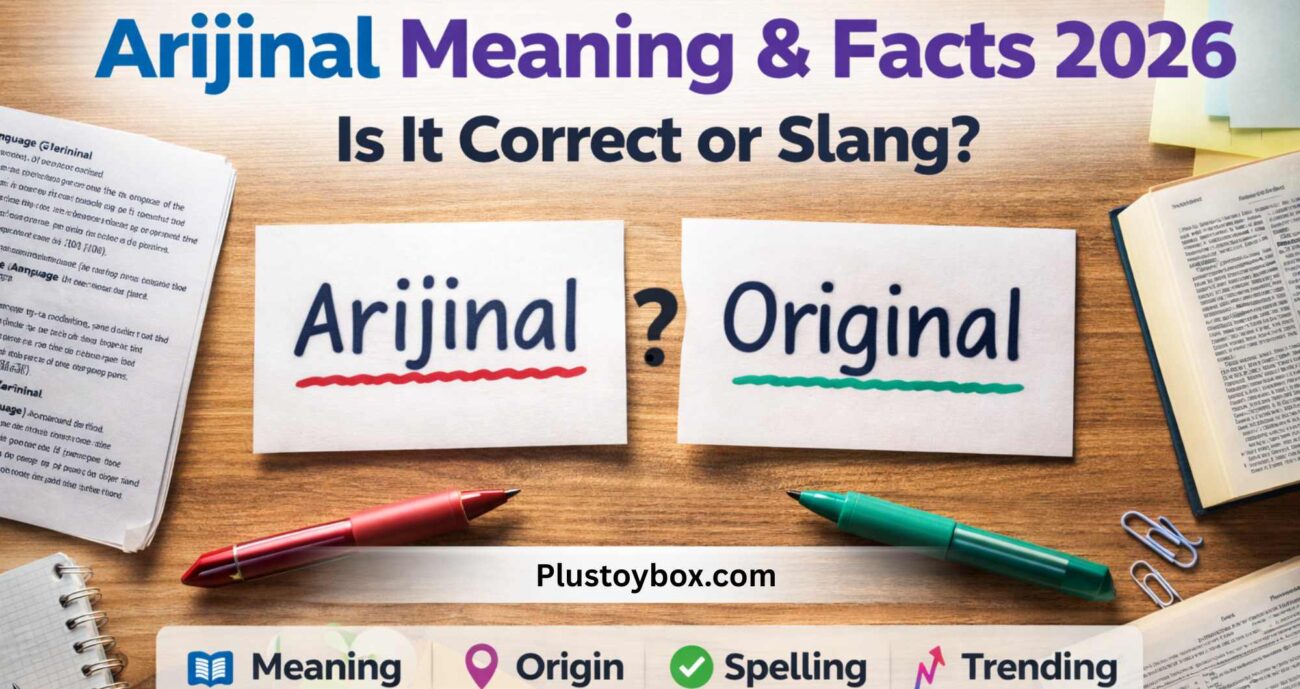
Language is constantly evolving, and words often take unexpected turns. One such term that has sparked curiosity in 2026 is “arijinal.” If you’ve stumbled upon this word recently, you’re not alone. Whether it’s popping up in social media posts or casual conversations, understanding its meaning and implications can be a fun journey into contemporary language trends.
In this blog post, we’ll delve deep into what “arijinal” truly means, trace its origins, and explore how it differs from the traditional word “original.” We’ll also examine common uses of the term today and discuss whether it’s considered correct or simply slang. So if you’re ready to get to the bottom of this intriguing word that’s capturing attention everywhere—let’s dive right in!
What Does Arijinal Mean?
“Arijinal” is a term that has recently gained traction, especially among younger audiences. It’s often used to convey authenticity or uniqueness, akin to the word “original.” However, what sets it apart is its stylistic flair and informal tone.
The essence of “arijinal” captures the concept of being true to oneself or something being genuine. People use it in various contexts—whether describing art, music, fashion, or personal experiences—to emphasize originality without adherence to conventional standards.
In many ways, this term symbolizes a cultural shift towards valuing individual expression over traditional norms. The playful twist on spelling also adds an edge that resonates well with social media users who enjoy creating new linguistic trends.
Additionally, “arijinal” can imply an element of creativity. When someone refers to something as arijinal, they often highlight not just its authenticity but also its innovative quality—a blend of realness and fresh ideas.
This intriguing combination makes “arijinal” more than just a synonym for “original”; it’s becoming part of a broader dialogue about identity and creativity in today’s fast-paced world.
Origin of Arijinal – Where Did It Come From?
The term “arijinal” has sparked curiosity among many language enthusiasts. Its origins can be traced back to a blend of cultural influences, primarily in digital communication. As social media platforms flourished, new terms began emerging from the interactions of diverse communities.
One significant aspect is its phonetic resemblance to the word “original.” This similarity suggests that “arijinal” was likely created as a playful twist on an established term. People often enjoy playing with language, and this particular alteration reflects an effort to inject creativity into everyday conversation.
Its usage became prominent in online forums and chat rooms where users sought ways to express authenticity or uniqueness while maintaining a light-hearted tone. It thus embodies a sense of belonging within specific groups who appreciate linguistic innovation.
Another important factor contributing to its rise is regional slang variations. Various cultures may have adopted “arijinal,” leading to different interpretations based on local dialects and expressions that resonate with younger audiences keen on keeping their lingo fresh.
As it spread across various social media channels, “arijinal” gained traction in memes and viral posts, amplifying its presence in popular culture even further amidst these vibrant exchanges.
Arijinal vs Original – Correct Spelling Explained
The term “arijinal” has become a popular alternative spelling for the word “original.” This variation often appears in casual conversations, social media posts, and even some forms of creative expression. Yet, understanding its correct usage requires examining both terms closely.
“Original” is the standard English word that denotes something being first or unique. It carries connotations of authenticity and originality, which are essential in various contexts such as art, music, and literature. When someone refers to an original piece of work, they emphasize its genuine nature.
On the other hand, “arijinal” can be seen as a playful take on the word “original.” The phonetic similarity may appeal to certain demographics who are looking for a more trendy or expressive way to communicate familiarity with pop culture references.
However, it’s crucial to note that while “arijinal” might resonate within specific communities or on platforms like TikTok or Instagram, it doesn’t hold any official status in standard English writing. As such, using “arijinal” could lead to confusion outside informal settings where proper language is expected.
In formal communication or professional environments, sticking with “original” remains advisable. It ensures clarity and maintains credibility when conveying thoughts clearly.
Common Uses of Arijinal in 2026
In 2026, the term “arijinal” has found its way into various conversations, especially among younger demographics. It often appears in social media posts and memes, used to describe something that is authentic or uniquely original. This usage resonates well with those who appreciate creativity and individuality.
On platforms like TikTok and Instagram, users frequently employ “arijinal” to label content that stands out from the mainstream. For instance, a video showcasing an innovative fashion design might be tagged as arijinal if it deviates from typical trends. This helps creators gain visibility while also celebrating originality.
Additionally, in music circles, artists are using “arijinal” when promoting their work that reflects personal flair rather than commercial formulas. Fans adopt this terminology to express admiration for songs or albums that break conventional molds.
The gaming community has embraced “arijinal” too; players use it during discussions about game mechanics or storytelling elements that feel fresh and groundbreaking. This indicates a broader appreciation for uniqueness across different entertainment forms.
Moreover, brands have begun incorporating the term into marketing campaigns aimed at younger audiences seeking authentic experiences products align with their values of originality and self-expression.
Is Arijinal Correct or Just Slang?
The term “arijinal” has stirred up quite a debate, especially among language enthusiasts and social media users. Many wonder whether it holds any substantial meaning or is simply a trendy slang word. The truth is that its classification can vary based on context.
In some circles, particularly online and within youth culture, “arijinal” is embraced as part of informal communication. It reflects a playful twist on the word “original.” However, this playful usage raises questions about its legitimacy in formal settings or academic writing.
Linguists often categorize such terms as neologisms—new words or expressions that emerge in spoken language but may not yet be recognized by traditional dictionaries. This means “arijinal” might not be considered correct English according to standard definitions but has gained traction among certain demographics.
Moreover, slang evolves quickly; what seems casual today could become widely accepted tomorrow. The use of “arijinal” highlights how language adapts to cultural shifts and technological advancements, particularly with the rise of social platforms where creativity flourishes.
Whether you consider “arijinal” correct depends largely on your audience. For casual conversations and online interactions, it might fit right in; however, for more formal contexts, sticking with established vocabulary would serve better.
Why Arijinal Is Trending Online
The term “arijinal” has gained significant traction in online conversations lately. Its rise can be attributed to various social media platforms where users are increasingly looking for unique ways to express creativity and authenticity. This trend is especially evident among younger demographics who gravitate toward unconventional language.
Influencers and content creators have played a pivotal role in popularizing arijinal. As they use the term in their posts, it creates an air of exclusivity that many followers want to adopt. The appeal lies not just in its meaning but also in how it represents a break from traditional norms.
Memes and viral videos often incorporate arijinal, giving it a humorous twist that resonates with audiences. These formats allow for rapid spread across platforms like TikTok and Instagram, making the term even more relatable and accessible to everyday users.
Moreover, cultural shifts towards embracing originality over conformity contribute to its popularity. People are eager for words that evoke personal expression and individuality; arijinal fits perfectly into this narrative.
Ongoing discussions about what constitutes ‘original’ art or ideas fuel curiosity around terms like arijinal. Online communities thrive on these debates, ensuring the word remains relevant as they explore what being truly original means today.
How to Use Arijinal Properly in Sentences
Using “arijinal” in sentences requires a clear understanding of its context. This term is often used to describe something that stands out as authentic or original, particularly in creative fields like art and music. When incorporating it into your writing or speech, ensure the meaning aligns with the subject matter.
For example, you could say, “The artist’s new album is truly arijinal; it breaks all conventional boundaries.” Here, “arijinal” highlights the uniqueness of the work. This usage emphasizes authenticity and creativity.
Another way to use “arijinal” would be in everyday conversational contexts: “I love how her fashion choices are so arijinal compared to mainstream trends.” In this sentence, it captures an individual’s distinctive style effectively.
When discussing products or services, consider phrasing like: “This restaurant offers an arijinal twist on traditional recipes.” This underscores innovation while still respecting culinary heritage.
Remember not to overuse “arijinal.” Use it sparingly for maximum impact. The goal is to enhance your expression without sounding repetitive or forced. Instead of relying solely on this term, mix in other synonyms when appropriate for variety and richness in communication.
Mistakes to Avoid When Using Arijinal
Using “arijinal” correctly can enhance your communication, but there are several common mistakes to avoid. First, don’t confuse it with the word “original.” While they may seem similar in meaning, using “arijinal” incorrectly can lead to misunderstanding and miscommunication.
Another frequent error is overusing the term in formal contexts. Since “arijinal” often carries a casual or slangy tone, employing it in professional writing may come off as unprofessional or inappropriate. Always consider your audience before incorporating this term.
Additionally, make sure you use “arijinal” in the right context. It’s typically used to describe something that feels authentic or genuine but not necessarily original. Misplacing it could distort its intended meaning and create confusion for readers.
Spelling is also crucial when using “arijinal.” Double-check your spelling—typos can change perceptions of credibility. Using incorrect spellings might undermine how seriously others take what you’re saying.
Be cautious about regional variations in usage. The acceptance of “arijinal” can vary widely across different cultures and communities. What’s acceptable slang in one area might fall flat or even offend someone elsewhere.
Similar Words and Alternatives to Arijinal
When exploring the term arijinal, it’s essential to consider similar words and alternatives that capture its essence. Depending on context, several synonyms can convey a comparable meaning.
One common alternative is “original.” This term often denotes something that is authentic or unique, reflecting the true nature of an item or concept. While both words emphasize authenticity, original carries a more established usage in standard English.
Another option is “genuine,” which implies sincerity and truthfulness. This word fits well when discussing items or ideas that are not imitations but rather reflect their actual form or quality.
In casual settings, you might encounter terms like “authentic” as well. Often used interchangeably with original and genuine, authentic emphasizes credibility and trustworthiness in various contexts.
Phrases such as “the real deal” have emerged in contemporary language to denote something truly special or unmatched. These expressions provide a more informal twist while maintaining the core value associated with arijinal—something distinctively exceptional.
Final Thoughts – Should You Use Arijinal?
The use of “arijinal” has stirred up quite a discussion in online circles. While it may not be recognized as standard English, its increasing popularity cannot be ignored. It embodies a sense of uniqueness and individuality that resonates with many people today.
If you decide to incorporate “arijinal” into your vocabulary, context is key. Use it when you want to convey originality or something authentic in an informal setting. However, remain aware of your audience; some might find it confusing or dismissive if they’re unfamiliar with the term.
As this word continues to trend, especially among younger generations and on social media platforms, it’s essential to adapt your language accordingly without losing clarity. Embracing new slang can often enrich communication but should always be done thoughtfully.
So, should you use “arijinal”? If you’re comfortable with informal expressions and understand the nuances behind them, feel free to experiment with it! Just remember that language evolves constantly; staying updated will help ensure your words resonate well with those around you.
