
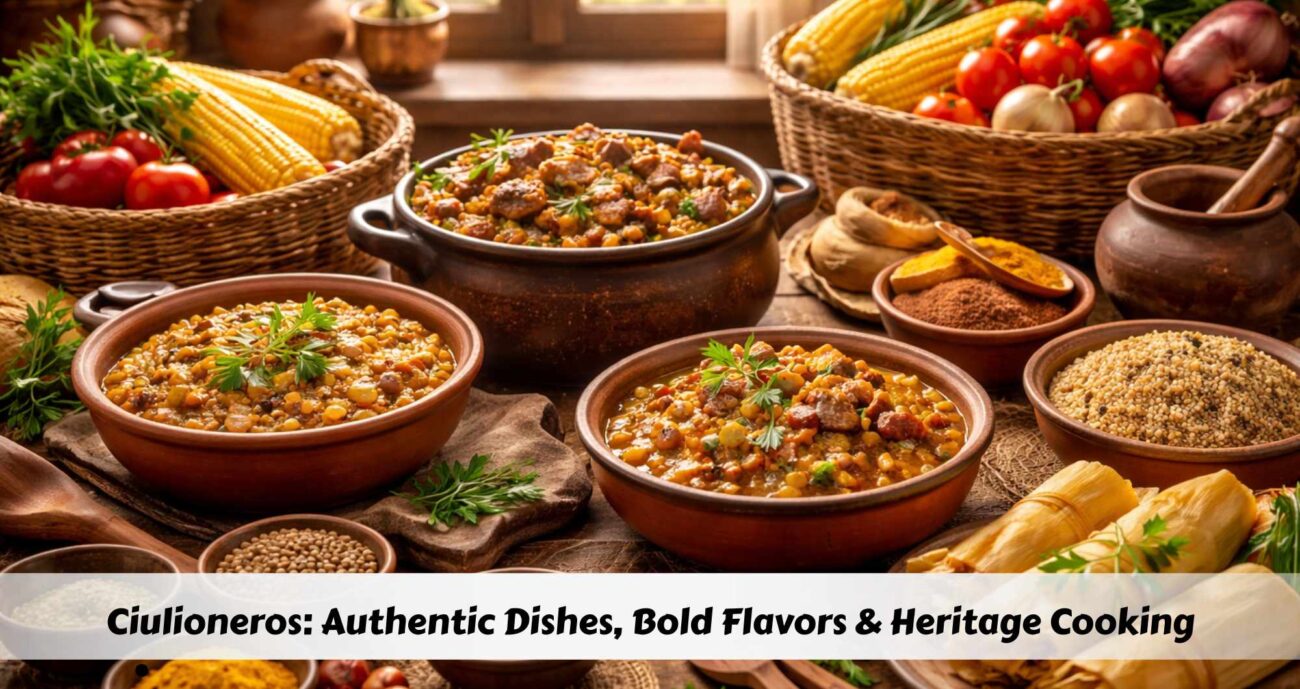
Introduction to Ciulioneros Cuisine
Ciulioneros cuisine is a delightful journey into the heart of tradition and culture. Bursting with authentic flavors and rich heritage, this culinary style invites food enthusiasts to explore its unique offerings. With roots deeply embedded in history, Ciulioneros dishes are more than just meals—they’re stories on a plate.
Imagine vibrant markets filled with fresh produce, aromatic spices wafting through the air, and families gathering around tables laden with mouthwatering creations. This is the essence of Ciulioneros cooking—a celebration of ingredients that reflect both land and legacy.
Whether you’re a seasoned foodie or new to exploring diverse cuisines, embrace this opportunity to discover what makes Ciulioneros special. From signature recipes to traditional techniques passed down through generations, every bite tells a story worth savoring. Join us as we delve deeper into the world of Ciulioneros!
History and Cultural Roots of Ciulioneros
Ciulioneros cuisine is deeply intertwined with the rich history and cultural heritage of its people. Originating from a blend of indigenous traditions and influences from various immigrant communities, this culinary art form reflects the journey and resilience of those who have cultivated it for generations.
The roots of Ciulioneros can be traced back to ancient civilizations that thrived in the region. The use of native ingredients such as corn, beans, and squash laid the foundation for many traditional dishes. These staples not only provided sustenance but also played a significant role in social rituals and community gatherings.
Throughout history, external influences shaped Ciulioneros cooking styles. Spanish colonization introduced new flavors like spices, meats, and dairy products that melded seamlessly into existing recipes. This fusion created a unique culinary landscape that celebrates both indigenous practices and European techniques.
Migration patterns further enriched Ciulioneros cuisine by incorporating elements from other cultures—African, Asian, and Mediterranean flavors have all made their mark over time. Each wave of newcomers brought distinct tastes while contributing to an evolving gastronomic narrative.
Today’s Ciulioneros cuisine stands as a testament to this vibrant tapestry; every dish tells a story steeped in tradition yet open to innovation. As families pass down recipes through generations, they preserve not just food but also identity—a celebration rooted firmly in cultural pride.
Signature Dishes of Ciulioneros
Ciulioneros cuisine boasts a rich tapestry of flavors, featuring an array of signature dishes that reflect its cultural heritage. One standout dish is the “Pachamanca,” which traditionally includes marinated meats slow-cooked underground using hot stones. This method infuses the meat with unique earthy flavors, making it a beloved staple for gatherings.
Another iconic offering is “Causa Rellena,” a vibrant layered dish made from mashed yellow potatoes mixed with lime and chili. It’s often filled with savory ingredients like tuna or chicken salad, making it both visually appealing and deliciously satisfying. The combination of textures and flavors exemplifies Ciulioneros’ culinary creativity.
“Ají de Gallina” is yet another hallmark dish worth noting. This creamy chicken stew features shredded chicken in a sauce made from ají amarillo peppers, nuts, and cheese, served over rice. Its comforting richness has earned it a place on tables across generations.
Don’t forget about “Lomo Saltado,” a stir-fry that marries Chinese cooking techniques with Peruvian ingredients. Tender strips of beef are sautéed with onions, tomatoes, and French fries—served alongside rice for the perfect balance between spicy and savory notes.
To satisfy your sweet tooth, try “Suspiro Limeño.” This delightful dessert combines layers of caramel-like dulce de leche topped with fluffy meringue. Each spoonful offers an indulgent experience that perfectly complements any Ciulioneros meal.
Unique Ingredients and Bold Flavors
Ciulioneros cuisine is a vivid tapestry woven with unique ingredients that contribute to its bold flavors. Central to this culinary tradition are native herbs and spices, often grown in local gardens. These aromatic additions enhance every dish, ensuring an unforgettable experience for those who indulge.
One standout ingredient is the wild pepper known as “aji,” which adds a fiery kick to various recipes. Its distinctive heat complements traditional meats and vegetables, creating a harmonious balance of flavor. Another essential component is the variety of legumes used in Ciulioneros dishes, providing rich textures and nutrients.
The use of fresh seafood also plays a significant role in defining these bold flavors. Locally sourced fish brings the taste of the ocean directly to your plate, celebrated for its freshness and quality. Dishes like ceviche showcase this delightful connection between land and sea.
Moreover, seasonal fruits lend sweetness to many savory dishes while also appearing in desserts that highlight their vibrant colors and tastes. Ingredients like tropical mangoes or tart limes elevate Ciulioneros fare beyond ordinary expectations.
Together, these elements create an exciting symphony on your palate—each bite revealing layers of complexity rooted deeply within cultural heritage. This emphasis on authenticity ensures that every meal tells a story reflective of both history and community values.
Traditional Cooking Methods in Ciulioneros
Traditional cooking methods in Ciulioneros highlight the deep connection between food and culture. These techniques are passed down through generations, preserving both flavors and heritage. Fire is central to many of these methods, often used for grilling or roasting meats to perfection.
One popular technique involves slow-cooking dishes over an open flame. This method enhances the flavor while allowing ingredients to meld together harmoniously. The smoky aroma that permeates the air adds a distinct character to each dish.
Another cherished practice is using clay pots for stews and soups. Cooking in clay not only provides even heat distribution but also infuses dishes with earthy undertones. Recipes often call for hours of simmering, resulting in rich flavors that tell stories of their origins.
Fermentation plays a vital role as well, especially in preserving seasonal vegetables. Traditional pickling processes create tangy accompaniments that elevate meals while showcasing local produce’s versatility.
Hand-grinding spices remains a beloved ritual among Ciulioneros cooks. This labor-intensive method ensures essential oils are released fully, creating bold flavors synonymous with authentic cuisine. Each grinding session becomes an act of love—a way to honor both the ingredients and culinary traditions.
Ciulioneros Food and Community
Ciulioneros cuisine is deeply intertwined with community. It reflects the values, traditions, and stories of the people who create it. Meals are often shared among family members and friends, reinforcing bonds that transform food into a communal experience.
Community gatherings frequently feature traditional dishes that evoke memories and emotions. These events celebrate local culture while allowing people to connect through cooking and sharing meals together. The act of preparing food becomes a collective effort where everyone participates in some way.
Furthermore, many Ciulioneros chefs take pride in sourcing ingredients from local farmers and markets. This not only supports the local economy but also ensures freshness in every dish served. Knowing where their food comes from resonates profoundly within this community-oriented approach to dining.
Festivals celebrating Ciulioneros culinary heritage bring residents together as they showcase signature dishes and unique flavors. These occasions foster camaraderie among participants while attracting visitors curious about authentic Ciulioneros cuisine.
The essence of Ciulioneros extends beyond just eating; it’s about creating relationships through food experiences that resonate with cultural significance. By emphasizing these connections, you will find that each plate tells a story—a narrative rich in tradition, flavor, and heartfelt collaboration.
Modern Interpretations of Ciulioneros Cuisine
Modern interpretations of Ciulioneros cuisine are breathing new life into traditional dishes while maintaining respect for their cultural origins. Chefs today are experimenting with flavors and presentation, merging classic techniques with contemporary culinary trends. This fusion creates an exciting dining experience that appeals to both purists and adventurous eaters alike.
Many restaurants have embraced a farm-to-table philosophy, sourcing local ingredients to create authentic Ciulioneros dishes. By prioritizing sustainability, these chefs not only enhance the flavor profiles but also support regional farmers and artisans. The focus on fresh produce allows for seasonal variations in recipes, showcasing the versatility of this rich cuisine.
Innovative cooking methods play a significant role in modern Ciulioneros offerings. Techniques such as sous-vide cooking or fermentation add depth to traditional flavors without overshadowing their authenticity. These methods help bring out the natural essence of key ingredients while appealing to health-conscious diners looking for lighter options.
Presentation is another area where modern chefs shine. Dishes once served simply are now artfully plated, combining colors and textures that tantalize the eyes before they even reach your palate. This attention to detail elevates the dining experience and invites diners into a world where food is both nourishment and artistry.
As global influences permeate kitchens worldwide, you’ll find unexpected twists on beloved classics within Ciulioneros menus—think spicy mango salsas paired with traditional stews or innovative dessert mash-ups featuring local fruits reimagined in surprising ways.
Where to Taste Ciulioneros Dishes
If you’re eager to experience authentic ciulioneros cuisine, several establishments stand out for their commitment to traditional flavors. One must-visit spot is La Casa de Ciulioneros, a cozy restaurant nestled in the heart of the city. Here, you can savor dishes crafted with age-old recipes and fresh local ingredients that speak volumes of this rich culinary heritage.
Another gem is Mercado del Sabor, a vibrant food market where various vendors showcase ciulioneros delights. Strolling through its colorful stalls offers not just an opportunity to taste but also to see the preparation methods up close. From stews simmering on open flames to freshly baked breads, it’s an immersive experience.
For those who enjoy fine dining with a twist, Restaurante Tradición serves innovative takes on classic ciulioneros dishes while preserving their essence. The chef expertly balances bold flavors with modern presentation techniques that elevate each dish.
Street food enthusiasts should look no further than Puesto de Comida Rápida Ciulonero located at bustling intersections throughout town. This lively eatery offers quick bites like empanadas and arepas that provide an authentic taste without breaking the bank.
Don’t miss annual food festivals celebrating ciulioneros culture; these events feature pop-up restaurants and tasting booths from various chefs specializing in regional specialties. Attending one can be both educational and delicious as you explore diverse interpretations of this beloved cuisine.
FAQs About Ciulioneros Cuisine
As interest in Ciulioneros cuisine grows, many people have questions about its unique characteristics and origins. Here are some frequently asked questions to help you understand this vibrant culinary tradition.
What is Ciulioneros cuisine known for?
Ciulioneros cuisine is celebrated for its bold flavors and rich heritage. It combines traditional cooking techniques with local ingredients, resulting in dishes that are hearty and bursting with taste.
Where does the name “Ciulioneros” come from?
The term “Ciulionero” refers to a specific cultural group or community known for their distinct culinary practices. Their food reflects centuries of history, influenced by various cultures that have inhabited the region.
What are common ingredients used in Ciulioneros dishes?
Ciulioneros cuisine often features fresh vegetables, legumes, grains such as quinoa or corn, and an array of spices like cumin and coriander. Meat options can include poultry or game meats that add depth to stews and roasts.
Are there vegetarian options within Ciulioneros cuisine?
Yes! Many signature dishes can easily be adapted for vegetarians by using plant-based alternatives while still embracing the bold flavors characteristic of this style of cooking.
How do I cook a typical Ciulionero dish at home?
To recreate authentic Ciulioneros meals at home, start with a base recipe focusing on seasonal ingredients. Emphasize slow-cooking methods like braising or steaming to enhance those robust flavors over time.
Is it possible to find modern twists on traditional Ciulioneros recipes?
Absolutely! Many chefs today experiment with classic recipes by incorporating contemporary techniques or fusion elements without losing authenticity. This allows new generations to appreciate these traditions while adding their flair.
Where can I learn more about making authentic Ciulioneros dishes?
There are numerous online resources available including blogs, video tutorials, and virtual cooking classes focused specifically on this fascinating cuisine. Local workshops might also offer hands-on experiences if you’re looking for something in person.
