
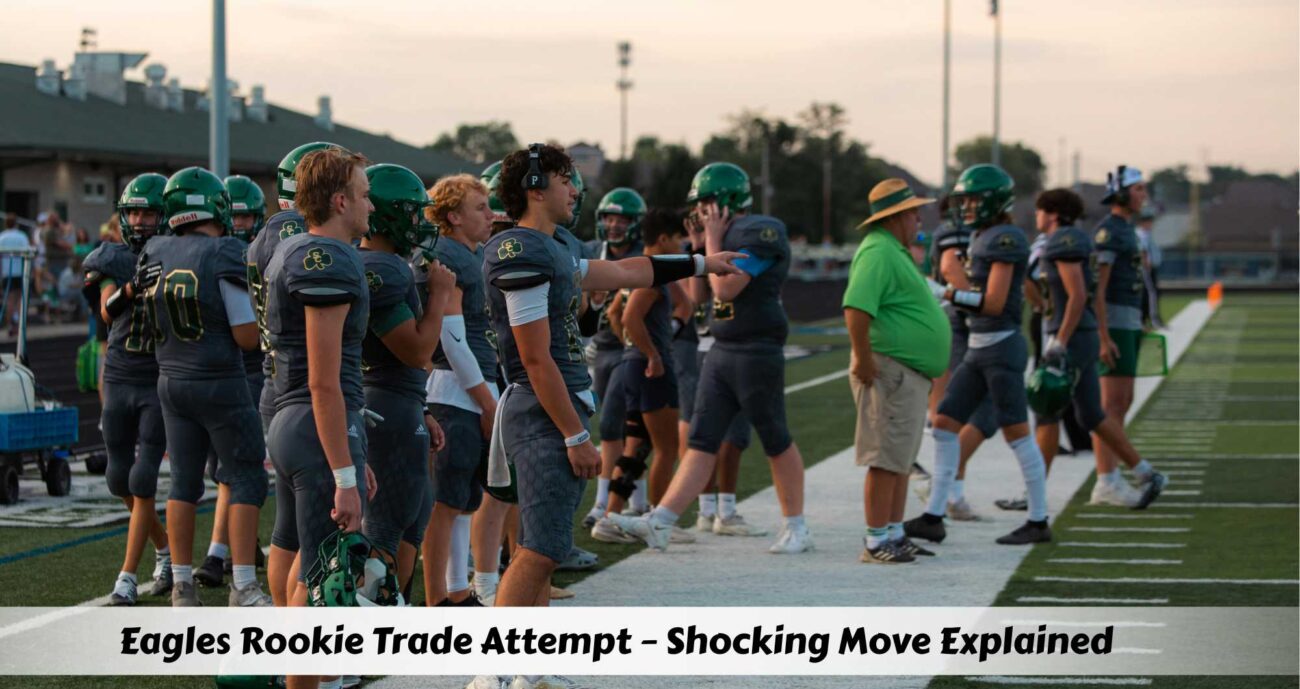
The NFL offseason is always filled with surprises, but the Philadelphia Eagles Rookie Trade Attempt has taken fans and analysts by storm. Just when everyone thought they had a handle on the team’s direction, reports surfaced about an unexpected trade involving their rookie class. This shocking move has left many wondering: what prompted such a bold decision? As we dive into this intriguing development, we’ll explore the motivations behind the trade attempt and its implications for both the current roster and future seasons. Buckle up—this could change everything for Eagles Nation!
What Happened in the Eagles Rookie Trade Attempt?
In a surprising turn of events, the Philadelphia Eagles made headlines with their Rookie Trade Attempt during this year’s NFL draft. Reports indicate that the team sought to trade one or more of its rookies shortly after selecting them. Fans were stunned as names floated around in speculation and social media buzz.
The move came amid significant roster changes for the Eagles. With new coaching staff and fresh strategies on the horizon, management felt that some rookie talent did not fit their evolving game plan. The decision was not taken lightly; it reflected a calculated approach to building a competitive team.
Discussions reportedly involved multiple teams, showcasing interest from franchises looking to bolster their own rosters. While details remained under wraps, it became clear that the organization aimed at maximizing value from its draft picks early on.
Many fans expressed confusion over trading away new talents so soon after being drafted. However, executives viewed it as an opportunity to address immediate needs within other positions or acquire seasoned players who could contribute right away.
As news circulated about potential trades falling through or negotiations intensifying behind closed doors, excitement mixed with uncertainty filled the air among Eagles supporters and analysts alike.
Why the Philadelphia Eagles Considered the Rookie Trade
The Philadelphia Eagles are always on the lookout for ways to enhance their roster. This season, they considered a rookie trade that raised many eyebrows. The team recognized the need for fresh talent and depth in crucial positions. A strategic move like this could reshape the dynamics of their lineup.
One driving factor was last season’s performance. The Eagles faced challenges that exposed weaknesses in various areas, particularly on defense and at wide receiver. By targeting rookies through trades, they aimed to inject youthful energy into these roles.
Additionally, scouting reports highlighted several promising prospects who could fit well within the team’s system. With a mix of speed and skill available in this draft class, it made sense for the front office to explore potential deals.
Financial flexibility also played a role in this consideration. Rookies typically come with lower salary caps than established veterans, allowing teams like the Eagles to invest wisely without jeopardizing their long-term financial health.
There’s an emphasis on building through youth in today’s NFL landscape. Teams are increasingly prioritizing young athletes who can grow alongside existing players while maintaining competitiveness over multiple seasons. This aligns perfectly with Philadelphia’s vision moving forward.
Key Draft Details Behind the Shocking Move
The Eagles’ rookie trade attempt has raised eyebrows across the NFL. Central to this surprising move are crucial draft details that highlight the team’s strategic thinking. Philadelphia’s front office recognized a deep pool of talent in this year’s draft class, especially at positions of need.
Understanding their current roster dynamics was essential. The Eagles were keen on fortifying areas like wide receiver and defensive back, where they faced depth issues last season. By targeting specific players through trades, they aimed to secure immediate contributors rather than waiting for traditional drafting processes.
Moreover, the Eagles held multiple picks due to previous trades and savvy maneuvering over recent seasons. This leverage enabled them to package selections efficiently without compromising future assets too heavily. Their draft capital put them in a prime position to make bold moves while still retaining key foundational pieces for the team.
Additionally, potential trading partners saw value in moving up or down based on their own needs and assessments of available talent. This created opportunities for negotiations that might not have been possible otherwise.
These critical draft factors played into why Philadelphia felt compelled to pursue such an audacious strategy after months of planning and analysis by their scouting department.
Front Office Strategy: What Was the Plan?
The front office of the Philadelphia Eagles is known for its strategic foresight. The recent rookie trade attempt demonstrates their willingness to shake things up and rethink traditional approaches. This bold move indicates a desire to revamp the roster while maximizing talent from the draft.
Key decision-makers within the organization, including general manager Howie Roseman, are always looking for ways to improve team performance. Their plan revolves around identifying unfulfilled potential among rookies who can contribute immediately or develop into future stars. This proactive mindset reflects a broader trend in NFL management: seeking value where others might overlook it.
The Eagles’ strategy also involves financial considerations. Acquiring young players often comes with lower salary demands compared to established veterans. By investing in rookies, they aim to build a competitive roster without hampering their salary cap flexibility.
Moreover, this approach allows them greater leverage during negotiations with current players whose contracts may be coming up soon. It positions them well for both short-term gains and long-term stability.
This trade attempt aligns perfectly with their larger vision—cultivating homegrown talent that fits their system while remaining adaptable in an ever-evolving league landscape.
How the Rookie Trade Attempt Impacts the Current Roster
The Eagles rookie trade attempt has stirred significant discussions regarding its influence on the current roster. By pursuing this move, Philadelphia is clearly signaling a shift in their strategy. The implications of such trades often ripple through the team structure.
First, if rookies were exchanged, it would likely lead to increased competition within specific positions. Players may feel motivated to elevate their performance as they see new talent entering the mix. This competitive atmosphere can catalyze growth and development among existing players.
In addition to competition, a trade could also lead to changes in roles for some veterans who may not fit into the evolving vision of head coach Nick Sirianni. Some established players might find themselves with reduced playing time or even pushed toward an exit from the team altogether.
Furthermore, rookies typically bring fresh energy and enthusiasm that can rejuvenate practice sessions and locker room dynamics. A successful integration of new talent helps build camaraderie while creating opportunities for mentorship between seasoned athletes and newcomers.
Fans should keep an eye on potential impact on special teams units or backup roles as well. Rookies often slot into these crucial areas where depth is essential for success throughout a long NFL season.
Fan Reactions and Expert Analysis
The Eagles rookie trade attempt sparked a wide range of reactions among fans. Many were taken aback, expressing disbelief on social media platforms. Some viewed the move as bold and necessary for team growth, while others felt it was risky given the uncertainty surrounding draft picks.
Experts weighed in with differing opinions as well. Analysts from various sports networks highlighted that trading for rookies could either pay off big or backfire dramatically.
Fan forums buzzed with debate over which players might have been involved in the trade discussions. Speculation about potential targets revealed excitement but also concern regarding what the Eagles might give up in return.
Some seasoned commentators praised GM Howie Roseman’s willingness to shake things up, suggesting this approach aligns with modern NFL strategies focused on adaptability and innovation.
However, cautionary voices reminded fans that such moves can disrupt team chemistry. Rookies take time to adjust and may require patience from both coaches and supporters alike as they navigate their first season in professional football.
NFL Draft Implications of the Eagles’ Decision
The Eagles’ rookie trade attempt carries significant implications for their strategy in the upcoming NFL Draft. By considering this move, Philadelphia signals a commitment to reshaping its roster. The willingness to explore trades demonstrates an eagerness to acquire players who fit their evolving vision.
This decision may also impact how other teams perceive the Eagles’ draft position. If Philadelphia can secure additional picks, it could leverage these assets to target specific needs or potential star players higher up in the draft order. Teams will likely monitor these developments closely and adjust their strategies accordingly.
Moreover, this attempt indicates that the front office is willing to take calculated risks. They are not shying away from making bold moves that could redefine team dynamics. This proactive approach suggests they have identified core areas needing improvement or depth enhancement.
With every trade consideration comes speculation about which positions might be prioritized during the draft process. Fans and analysts alike will scrutinize player performances at various college showcases leading up to April’s event as they analyze possible fits based on recent developments.
If the Eagles land a few intriguing prospects through trade negotiations, it may alter franchise expectations moving forward—especially regarding immediate performance versus long-term viability within a competitive NFC landscape.
Potential Long-Term Effects on the Franchise
The Eagles rookie trade attempt could reshape the franchise’s future in several significant ways. By focusing on acquiring young talent, the front office demonstrates a commitment to building for longevity rather than immediate results. This strategic shift may resonate well with fans eager for sustained success.
One potential effect is the development of a more robust roster over time. Investing in rookies often leads to high-reward players who can grow within the system, creating a solid foundation that elevates both performance and morale among existing team members.
Moreover, this decision signals Philadelphia’s willingness to adapt its approach in an ever-evolving league landscape. Teams that prioritize youth typically have increased flexibility under salary caps, allowing them to make moves without sacrificing core players’ contracts.
Long-term investments like these also foster a culture of competitiveness within the organization. Younger athletes bring fresh energy and perspectives, which can spark innovation and inspire veteran players to elevate their game as well.
Successfully navigating through rookie trades may enhance the Eagles’ reputation as a destination for emerging talents in years ahead. A track record of drafting effectively positions them attractively against rival franchises keen on recruiting top prospects during free agency or trades.
What This Means for the Upcoming Season
The Eagles rookie trade attempt has undoubtedly stirred the waters as the team gears up for the upcoming season. With significant roster changes in play, fans are left wondering how this move will reshape their prospects on the field.
Integrating new talent through trades can lead to immediate benefits. If successful, these rookies may bring fresh energy and skills that could enhance gameplay strategies. The coaching staff is likely excited about harnessing their potential during training camp.
Next, this attempt reflects a shift in team philosophy. By actively seeking to improve their lineup before the season even begins, it indicates a commitment to competing at a high level right away. This mindset can foster increased motivation among returning players as they prepare for challenges ahead.
Additionally, with each draft pick being scrutinized more than ever, expectations from fans are higher now. Performance pressure rises as both management and players must ensure that any new additions transition seamlessly into existing dynamics.
If these changes pan out positively early in the season, it could set a tone of resilience and adaptability within the organization. Such momentum might not only boost morale but also influence fan engagement throughout 2023-24.
Final Takeaways from the Eagles Rookie Trade Attempt
The Eagles rookie trade attempt has certainly stirred the pot in Philadelphia. Fans and analysts alike are trying to decipher what this bold move means for the team’s future. The decision reflects a strategic pivot that could enhance their roster depth or signal larger changes ahead.
As the Eagles navigate through this transitional phase, they must weigh immediate needs against long-term goals. By considering rookies in trades, they’re not just looking at players who can contribute right away but also those with potential upside for years to come.
This attempted trade indicates that the front office is committed to building a competitive team while remaining flexible as opportunities arise.
Looking forward, how well this strategy pans out will influence their performance during the upcoming season and beyond. The NFL landscape is ever-evolving, making adaptability crucial.
As fans await news on whether any trades materialize or if further moves are planned, one thing remains certain: the Eagles are focused on creating a winning culture that extends far into the future of Philadelphia football.
