
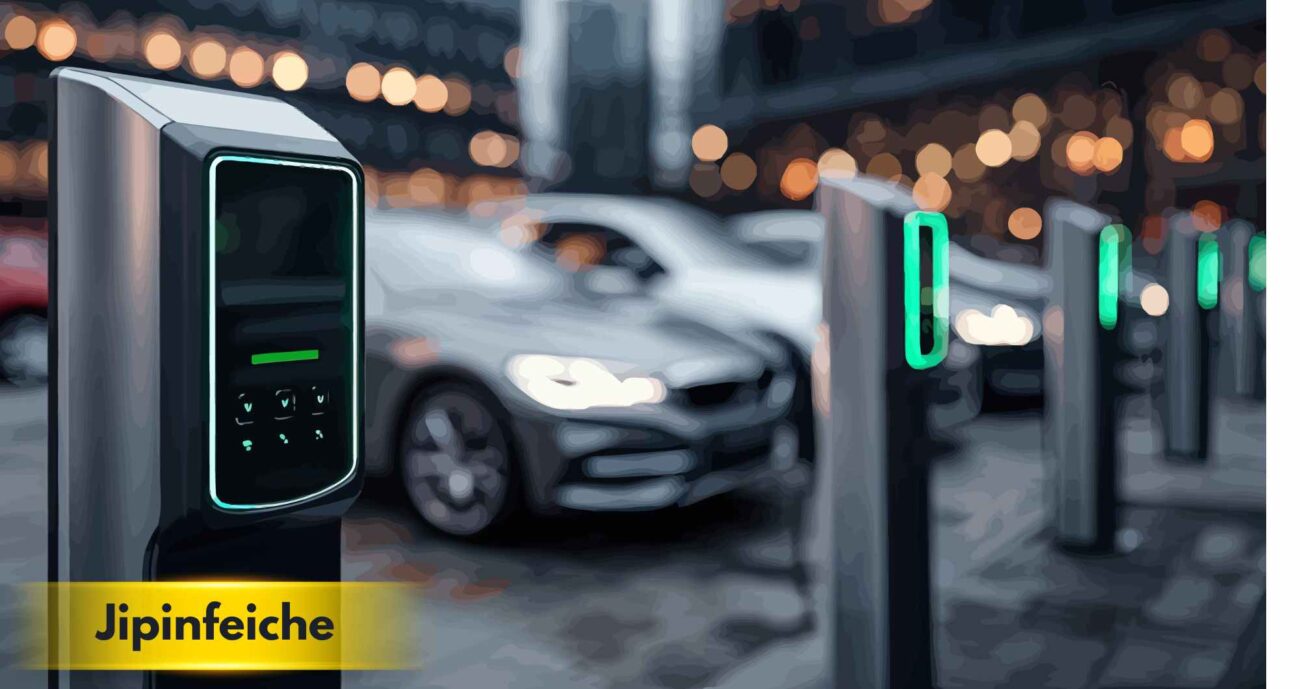
The world of transportation is undergoing a remarkable transformation, and at the forefront of this revolution is Jipinfeiche. This cutting-edge concept represents more than just a mode of travel; it’s an innovative approach that integrates artificial intelligence into premium vehicles. As cities become smarter and mobility needs evolve, understanding Jipinfeiche becomes essential for anyone interested in the future of transport.
Imagine cars that learn from their environment, adapting to traffic patterns and individual driving styles while ensuring safety and efficiency. With AI technology powering Jipinfeiche, such scenarios are rapidly moving from science fiction to reality. This seamless blend of luxury and high-tech functionality makes it a hot topic among industry experts and consumers alike.
Join us as we delve deeper into what Jipinfeiche truly means, its origins, the pioneering technologies behind it, and how it’s reshaping our daily commutes—one smart vehicle at a time. Whether you’re curious about AI’s role in transportation or simply intrigued by next-gen mobility solutions, there’s much to discover within the realm of Jipinfeiche.
What Is Jipinfeiche?
Jipinfeiche is an innovative concept revolutionizing the transportation industry. At its core, it combines advanced technology with luxury travel experiences, primarily focusing on premium vehicles. This blend of elements sets Jipinfeiche apart from traditional modes of transport.
The term itself originates from Chinese culture, where “ji” refers to a high standard or premium quality and “pinfei” translates to vehicle or car. Together, they signify a superior class of automobiles designed for discerning customers seeking excellence in mobility.
Jipinfeiche emphasizes not just comfort but also intelligent systems that enhance driving convenience and safety. By integrating artificial intelligence into these vehicles, manufacturers aim to deliver smarter solutions tailored to individual preferences and needs.
As urban environments become increasingly complex, Jipinfeiche addresses challenges like traffic congestion and environmental impact. It promotes efficient navigation through data-driven insights while maintaining the luxurious feel expected by users.
This emerging trend represents a shift towards more sophisticated transportation options that cater to modern lifestyles. With rising consumer demands for both technology and style in their vehicles, Jipinfeiche stands poised to lead the way in next-generation mobility solutions.
The Meaning and Origin of Jipinfeiche
Jipinfeiche is a term that has recently gained traction in the transportation sector, particularly in China. The word itself combines “jipin,” which translates to “premium” or “high-end,” with “feiche,” meaning “vehicle.” Together, they encapsulate the essence of luxury and advanced technology in modern transportation.
The origin of Jipinfeiche can be traced back to the rapid development of smart vehicle technologies. As electric and autonomous vehicles became more mainstream, there emerged a demand for high-quality mobility solutions that offered superior user experiences. This led to the creation of vehicles that not only focus on functionality but also emphasize comfort and style.
With urbanization accelerating globally, consumers began seeking alternatives to traditional modes of transport. They wanted options that combined elegance with cutting-edge features tailored to their lifestyles. Jipinfeiche represents this evolution—the shift towards luxurious yet practical travel solutions.
The concept draws inspiration from various global automotive trends while incorporating local cultural elements unique to China’s consumer landscape. As such, it reflects both international innovation and regional preferences.
Today, Jipinfeiche stands as a symbol of what’s possible when technology meets premium design in transportation—an exciting intersection attracting both manufacturers and consumers alike.
AI Technology Powering Jipinfeiche
AI technology is at the heart of Jipinfeiche, driving significant advancements in premium transportation. This integration enhances vehicle performance, safety, and user experience. By harnessing machine learning algorithms, Jipinfeiche systems can analyze vast amounts of data in real-time.
These AI-driven features allow vehicles to communicate with each other and infrastructure seamlessly. Such connectivity leads to more efficient traffic management and improved navigation routes tailored to individual drivers’ needs. The result is a smarter driving experience that reduces travel time while increasing safety on the roads.
Moreover, predictive analytics plays a crucial role in Jipinfeiche’s success. With the ability to forecast potential issues before they arise, these systems help maintain optimal vehicle conditions through proactive maintenance alerts. This not only extends vehicle lifespan but also minimizes unexpected breakdowns.
Natural language processing (NLP) further enriches user interaction within Jipinfeiche vehicles. Drivers can engage with their cars using simple voice commands for everything from adjusting climate control settings to finding nearby points of interest without taking their hands off the wheel or eyes off the road.
As AI technology continues evolving, so does its application within Jipinfeiche systems, paving the way for ever-more innovative solutions in smart transportation that redefine how we think about mobility today.
How Jipinfeiche Transforms Smart Vehicles
Jipinfeiche is redefining the landscape of smart vehicles. By integrating advanced AI algorithms, it enhances vehicle performance and user experience. This technology allows cars to learn from their surroundings and adapt in real-time.
One key transformation involves navigation systems. Jipinfeiche enables dynamic route optimization based on traffic conditions, weather patterns, and even driver preferences. Instead of merely following a pre-set path, these vehicles can suggest alternative routes for efficiency.
Safety features also receive a significant upgrade with Jipinfeiche. The system utilizes sensors to monitor driving environments continually. It can detect potential hazards or obstacles much faster than traditional mechanisms, making proactive safety interventions possible.
Moreover, Jipinfeiche brings personalization to the forefront. Vehicles equipped with this technology learn from individual habits and preferences over time. From adjusting seat positions to modifying climate control settings automatically, every ride becomes uniquely tailored.
Connectivity plays a vital role in transforming smart vehicles through Jipinfeiche. Integration with other devices creates an ecosystem where data flows seamlessly between the car and external sources like smartphones or smart homes—leading to an overall enhanced transportation experience for users everywhere.
Why Jipinfeiche Is Trending in Mobility
Jipinfeiche is gaining momentum in the mobility sector, reflecting a significant shift toward smarter transportation solutions. As urban areas become increasingly congested, there’s a growing demand for efficient ways to navigate through traffic. Jipinfeiche offers real-time data and insights that enhance travel efficiency.
The rise of electric vehicles (EVs) also plays a vital role in this trend. Jipinfeiche integrates seamlessly with EV technology, optimizing routes and charging schedules based on user preferences and energy availability. This synergy not only reduces emissions but also promotes sustainable driving habits.
Moreover, consumers are becoming more tech-savvy and expect their vehicles to offer high levels of connectivity. Jipinfeiche caters to these demands by providing advanced features like predictive maintenance alerts and personalized driving experiences tailored to individual needs.
Partnerships between automotive manufacturers and tech companies further fuel the popularity of Jipinfeiche. These collaborations enable continuous innovation, ensuring that users benefit from cutting-edge advancements in artificial intelligence while enjoying premium transportation options.
As cities invest in smart infrastructure initiatives, the integration of Jipinfeiche becomes crucial for developing cohesive transport ecosystems. Smart vehicle technologies can communicate with city systems to streamline operations and improve overall safety on roads.
Real-World Applications of Jipinfeiche
Real-world applications of Jipinfeiche are revolutionizing the way we think about transportation. This innovative technology is making waves in urban mobility by enhancing ride-sharing services. Companies integrating Jipinfeiche can optimize routes, reducing travel time and fuel consumption.
Public transportation systems are also benefiting from this advancement. With AI algorithms powering Jipinfeiche tools, transit agencies can analyze data and improve scheduling efficiency. Passengers enjoy reduced waiting times and more reliable service as a result.
Moreover, logistics companies are tapping into Jipinfeiche to streamline their operations. By utilizing smart vehicles equipped with this technology, businesses can monitor deliveries in real-time, ensuring packages arrive on schedule while minimizing costs.
Jipinfeiche is paving the way for smarter traffic management solutions too. Cities around the world employ AI-driven analysis to manage congestion better and enhance road safety. This not only improves commuting experiences but also contributes to environmental sustainability.
Private vehicle owners are discovering the benefits of Jipinfeiche through enhanced driving assist features. These innovations provide safer driving experiences while allowing users to access advanced navigation tools that adapt in real time based on traffic conditions or weather changes.
Benefits of AI-Powered Jipinfeiche Cars
AI-powered Jipinfeiche cars offer a range of benefits that enhance both the driving experience and overall safety. One of the most significant advantages is improved navigation capabilities. These vehicles can analyze real-time traffic data, optimizing routes to save time and fuel. This smart planning leads to more efficient journeys.
Another key benefit lies in enhanced safety features. With AI algorithms constantly monitoring surroundings, Jipinfeiche cars can detect potential hazards and respond faster than human drivers. Features like automatic braking and lane-keeping assist significantly reduce accident risks, providing peace of mind for passengers.
Additionally, these vehicles excel in predictive maintenance. By analyzing performance data, AI systems can alert owners about necessary repairs before they become serious issues. This proactive approach not only extends the vehicle’s lifespan but also reduces long-term costs associated with unexpected breakdowns.
Comfort is another crucial aspect where AI shines. Jipinfeiche cars often include personalized settings based on user preferences—adjusting climate control or entertainment options automatically as per individual needs enhances the travel experience immensely.
Environmental sustainability plays a pivotal role in these advancements. Many Jipinfeiche models are designed to optimize energy usage effectively, contributing to reduced carbon footprints while delivering superior performance compared to traditional vehicles.
Challenges and Limitations of Jipinfeiche
Jipinfeiche, while revolutionary, faces several challenges and limitations that hinder its widespread adoption. One major hurdle is the high cost of implementation. Integrating advanced AI technology into vehicles requires significant investment in research and development.
Another challenge lies in data privacy concerns. Jipinfeiche systems rely on vast amounts of user data for optimal performance. As a result, consumers may be hesitant to share personal information due to fears regarding security breaches or misuse.
The complexity of AI algorithms also poses issues related to reliability and safety. Although these systems can enhance driving experiences, they must be rigorously tested to prevent malfunctions or unexpected behavior on the road.
Regulatory frameworks remain another barrier. Governments are still catching up with the rapid advancements in transportation technologies like Jipinfeiche. This results in inconsistent regulations across regions, complicating compliance for manufacturers.
Public acceptance plays a crucial role in determining how quickly Jipinfeiche will gain traction. Some individuals are skeptical about trusting AI-driven solutions over traditional methods, which could slow down market penetration despite its evident benefits.
The Future of Jipinfeiche in Smart Transportation
The future of Jipinfeiche in smart transportation is poised for remarkable growth. As urban areas become more congested, the demand for efficient mobility solutions increases. Jipinfeiche stands at the forefront of this shift, leveraging advanced artificial intelligence to create seamless transport experiences.
Emerging technologies like 5G connectivity will enhance Jipinfeiche’s capabilities. With real-time data exchange between vehicles and infrastructure, AI can optimize routes dynamically. This not only reduces travel time but also minimizes emissions, aligning with global sustainability goals.
Moreover, as electric vehicles gain traction, Jipinfeiche will play a crucial role in their integration into public transportation systems. Smart algorithms can manage energy consumption effectively while ensuring reliability and safety on the roads.
Collaboration with tech companies is another avenue where Jipinfeiche shines brightly. By partnering with software developers and automotive manufacturers, it can refine its algorithms further—enhancing user experience and operational efficiency.
As governments invest in smart city initiatives worldwide, the potential for widespread adoption of Jipinfeiche grows stronger every day. The evolution toward smarter infrastructures promises a transformative impact on how people navigate their environments efficiently and sustainably.
Conclusion: Jipinfeiche’s Impact on Next-Gen Mobility
The rise of Jipinfeiche represents a significant evolution in the realm of premium transportation. By harnessing cutting-edge AI technology, it has managed to create an interconnected ecosystem that enhances not only vehicle performance but also user experience.
As smart vehicles continue to proliferate, the implications of Jipinfeiche extend beyond mere convenience. It is reshaping how we perceive mobility by integrating safety features, personalized services, and efficiency into our daily commutes. The technology empowers drivers with real-time insights while simultaneously optimizing routes based on traffic conditions and environmental data.
Moreover, as urbanization accelerates—bringing challenges like congestion and pollution—Jipinfeiche holds promise for sustainable solutions. With intelligent routing and energy-efficient driving patterns facilitated by AI algorithms, we can expect a reduction in carbon footprints from these vehicles.
The benefits are clear: enhanced comfort during travel, improved safety protocols through predictive analytics, and tailored experiences that cater to individual needs. However, as this revolutionary technology continues to evolve rapidly, it faces hurdles such as regulatory challenges and public acceptance.
Looking ahead at next-gen mobility reveals immense potential for Jipinfeiche’s integration into various sectors—from ride-sharing platforms to logistics companies aiming for smarter deliveries. As the fusion between artificial intelligence and transportation deepens further each day, embracing Jipinfeiche may just be the key to navigating tomorrow’s mobility landscape effectively.
