
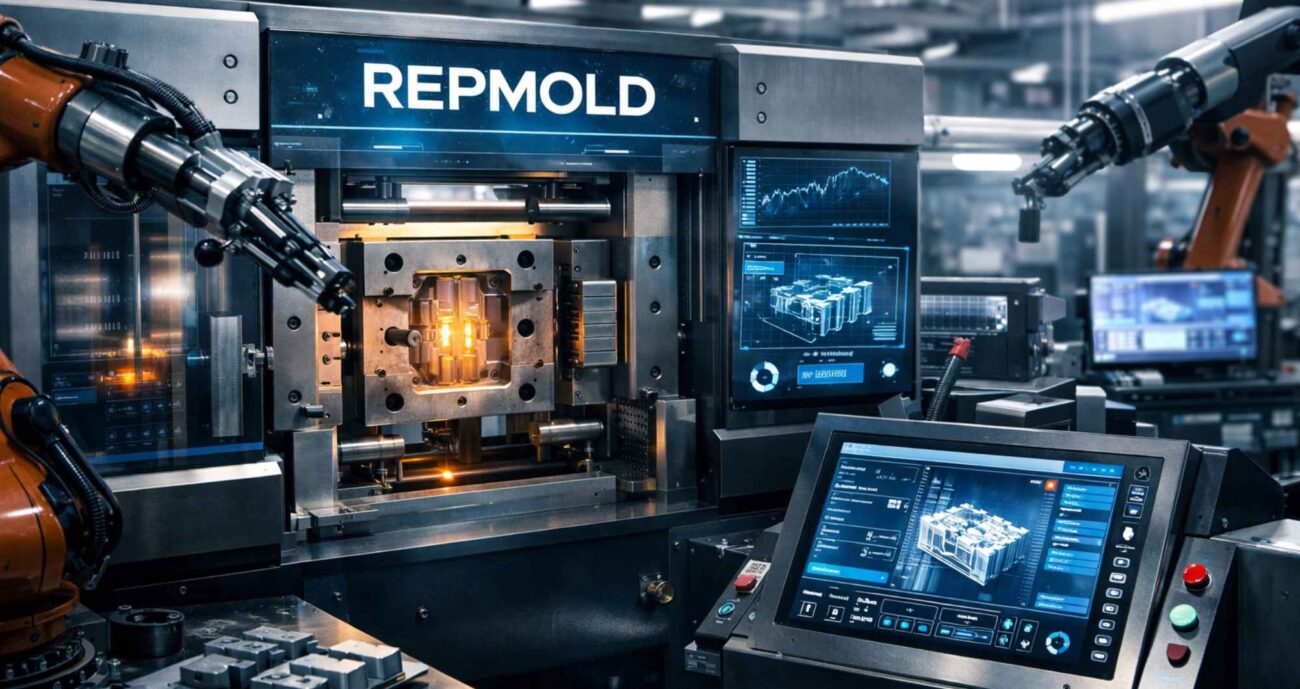
The manufacturing landscape is evolving, driven by technological advancements and a growing need for efficiency. At the forefront of this revolution is Repmold, an innovative system that redefines how molds are created and utilized in production processes. Gone are the days of traditional molding techniques that often fall short in meeting modern demands. With Repmold, manufacturers can harness intelligent systems designed to optimize performance and improve output.
This game-changing technology integrates smart features with cutting-edge materials, providing solutions tailored to today’s fast-paced market. As industries seek ways to enhance productivity while minimizing waste, understanding what Repmold offers becomes essential for staying competitive.
Join us as we delve into how Repmold is transforming manufacturing practices and discover why investing in this intelligent mold system might be one of the best decisions you make for your business’s future.
What is Repmold?
Repmold is a cutting-edge intelligent mold system designed to revolutionize the manufacturing process. This advanced technology integrates smart design and automation, allowing for highly efficient production cycles. At its core, Repmold leverages data-driven insights to optimize every stage of mold creation and utilization.
One of the standout features of Repmold is its ability to adapt in real-time. As production requirements change, this system can modify its parameters automatically, ensuring that manufacturers always achieve optimal results without extensive downtime. This flexibility makes it an ideal choice for industries facing fluctuating demands.
The materials used in Repmold are also noteworthy. They incorporate lightweight yet durable composites that enhance longevity while reducing material waste. This not only contributes to a more sustainable approach but also improves operational efficiency by minimizing maintenance needs.
Furthermore, Repmold systems come equipped with advanced monitoring capabilities that track performance metrics continuously. These insights allow manufacturers to identify areas for improvement instantly and make informed decisions based on actual data rather than assumptions.
The user-friendly interface of Repmold ensures ease of use across various skill levels within a workforce. Training becomes streamlined as operators can quickly learn how to navigate the system effectively and harness its full potential.
Repmold in Modern Manufacturing
Repmold is transforming modern manufacturing by introducing a new paradigm in mold systems. Traditional molds often come with limitations, including long lead times and high costs associated with production and design changes. Repmold addresses these challenges through advanced technology that enhances flexibility and responsiveness.
The integration of digital tools within RepMold allows for real-time monitoring and adjustments during the molding process. This capability ensures higher precision and reduces errors, leading to more consistent product quality. Manufacturers can adapt quickly to changing demands without the need for extensive retooling.
Moreover, RepMold enables manufacturers to streamline their operations significantly. By utilizing intelligent feedback loops, defects can be identified early on in the production cycle, minimizing waste and resource expenditure. The result is not only cost savings but also improved sustainability practices.
Collaboration between engineers and designers becomes seamless with RepMold’s intuitive software interface. Teams can work together efficiently, easily sharing data about mold performance or design specifications from various locations around the globe.
As industries seek competitive advantages in an increasingly fast-paced market, adopting technologies like RepMold will become essential for businesses aiming to thrive while maintaining high standards of quality and efficiency.
Key Features of Repmold
Repmold stands out due to its integration of smart technology, enhancing traditional molding processes. One key feature is its real-time monitoring capability. This allows manufacturers to track parameters such as temperature and pressure continuously, ensuring optimal performance throughout the production cycle.
Another essential aspect of Repmold is its adaptability. Unlike conventional molds that often require extensive modifications for different projects, Repmold can be easily reconfigured. This flexibility minimizes downtime and accelerates project turnaround times, catering to diverse manufacturing needs.
The system’s predictive analytics also sets it apart from traditional methods. By leveraging data insights, manufacturers can foresee potential issues before they escalate into costly problems. This proactive approach helps maintain seamless operations while reducing unexpected delays.
Energy efficiency is a hallmark of Repmold technology. The intelligent systems optimize energy consumption during production processes, leading to lower operational costs and a smaller carbon footprint. Manufacturers increasingly prioritize sustainability; this feature aligns perfectly with those goals.
User-friendly interfaces simplify operation and maintenance tasks within the Repmold system. Intuitive dashboards provide operators with immediate access to critical information without needing extensive training or technical expertise—making it accessible for teams at all skill levels.
Benefits of Repmold
Repmold technology revolutionizes the manufacturing landscape by offering numerous advantages. One of its primary benefits is enhanced precision. The intelligent systems allow for tighter tolerances and greater accuracy, ensuring that each product meets exact specifications.
Another significant advantage is reduced lead time. With Repmold, manufacturers can quickly adapt to changing production demands. This flexibility enables them to respond rapidly to market trends without compromising quality or efficiency.
Cost savings are also noteworthy with Repmold. By minimizing material waste through smart design and optimization features, businesses can significantly lower their overall expenses while maintaining high-quality outputs.
Additionally, Repmold promotes sustainability in manufacturing processes. Its ability to reduce energy consumption and resource use aligns perfectly with modern environmental standards. Companies adopting this technology contribute positively towards a greener future.
The integration of advanced data analytics offers real-time insights into production processes. This feature allows companies to monitor performance continuously and make informed decisions based on accurate data, further enhancing operational efficiencies across the board.
Industry Applications
Repmold technology is making waves across various industries, transforming how products are designed and manufactured. One of the most prominent applications is in the automotive sector. Here, Repmold systems allow for rapid prototyping and production of intricate parts that meet strict safety standards.
In consumer electronics, manufacturers utilize Repmold to create complex housings and components with precision. This results in lightweight yet durable products that can withstand everyday usage while maintaining an aesthetically pleasing design. The adaptability of Repmold ensures compatibility with various materials.
The medical industry also benefits significantly from this innovative system. Custom molds created through Repmold technology enable the production of specialized devices tailored to individual patient needs, enhancing both efficacy and comfort during use.
Additionally, packaging companies are adopting Repmold due to its ability to produce custom shapes efficiently. This not only improves product protection but also enhances shelf appeal—a crucial factor in today’s competitive market.
The aerospace sector relies on Repmold for creating bespoke components that adhere strictly to regulations while optimizing performance. As these industries evolve, so does the importance of integrating advanced molding technologies like Repmold into their manufacturing processes.
Repmold vs Traditional Molds
Repmold introduces a transformative approach to manufacturing that starkly contrasts with traditional molds. Traditional molding processes often involve lengthy setup times and significant material waste. Conversely, repmold systems are designed for rapid adaptation, allowing manufacturers to switch designs or materials seamlessly.
Traditional molds can be expensive to produce and maintain. They require extensive machining and tooling efforts, which adds time and cost to the production cycle. Repmolds utilize advanced technologies such as 3D printing and modular components, drastically reducing both initial investment and ongoing expenses.
The precision of repmold technology is another key difference. While traditional molds may suffer from inconsistencies due to wear over time, repmolds maintain high accuracy throughout their lifecycle. This consistency leads to improved product quality in manufactured goods.
Another area where repmolds excel is customization. Traditional molds typically cater only to specific designs or products, limiting flexibility in production runs. RepMold systems allow for quick modifications without necessitating new mold creation altogether.
Sustainability plays a crucial role in this comparison. The efficiency of repmolds significantly reduces waste during the manufacturing process compared to conventional methods that often discard excess material after each run.
Digital Innovation in Repmold
Digital innovation is at the core of Repmold technology, transforming how molds are designed and manufactured. By integrating advanced software tools and real-time data analytics, manufacturers can create more efficient production processes. This shift allows for greater customization and flexibility in mold design.
One notable aspect of digital innovation in Repmold is its utilization of 3D printing technology. Rapid prototyping enables engineers to quickly iterate on designs, making adjustments based on immediate feedback. This not only accelerates development time but also reduces material waste during the prototyping phase.
Moreover, machine learning algorithms play a vital role in optimizing manufacturing operations with Repmold systems. These algorithms analyze previous production runs to identify patterns that enhance efficiency. As a result, manufacturers can predict potential issues before they arise, leading to smoother operations.
The integration of IoT (Internet of Things) devices further enhances digital innovation within Repmold settings. Sensors embedded in molds collect valuable data during the production process, offering insights into performance metrics and wear patterns. Such information empowers manufacturers to make informed decisions about maintenance schedules and equipment upgrades.
Cloud computing facilitates seamless collaboration across teams by providing access to centralized databases and project management tools. This digital connectivity fosters transparency and faster communication among stakeholders involved in the manufacturing process.
Efficiency and Waste Reduction
Efficiency is a cornerstone of modern manufacturing, and repmold systems are designed to enhance this crucial aspect. By integrating advanced materials and intelligent design, repmolds enable manufacturers to streamline production processes. This leads to shorter cycle times and improved output rates.
One significant advantage of repmold technology is its precision in forming parts. Traditional molds often require extensive adjustments that can cause delays and waste material. In contrast, repmolds utilize smart algorithms that ensure each mold precisely meets specifications from the start, reducing scrap rates significantly.
Another factor contributing to efficiency is the adaptability of repmold systems. These molds can be quickly reconfigured for different products or sizes without extensive downtime. This flexibility allows manufacturers to respond swiftly to market changes while minimizing idle time on production lines.
Moreover, innovative cooling techniques embedded within repmolds help maintain optimal temperatures during processing. This not only speeds up production but also improves product quality by minimizing defects caused by thermal fluctuations.
By focusing on efficiency and waste reduction, companies employing repmold technologies position themselves as leaders in sustainability practices within their industries. The combination of reduced resource consumption and lower operational costs makes it an attractive option for forward-thinking businesses looking toward a greener future.
Future of Repmold Technology
The future of Repmold technology is poised to revolutionize the manufacturing landscape. As industries evolve, the need for smarter, more adaptable mold systems becomes paramount. Repmold stands at the forefront of this transformation, combining advanced materials with cutting-edge design.
One significant trend is the integration of artificial intelligence and machine learning within Repmold systems. These technologies enable real-time data analysis, allowing manufacturers to optimize production processes on-the-fly. This adaptability can significantly reduce downtime and enhance overall efficiency.
Sustainability remains a critical focus in modern manufacturing. Future iterations of Repmold are expected to incorporate eco-friendly materials and processes that minimize waste while maximizing output. This shift not only supports environmental goals but also appeals to socially conscious consumers.
Moreover, as 3D printing continues to advance, we might see hybrid models emerging that blend traditional molding techniques with additive manufacturing capabilities. Such innovations could lead to unprecedented flexibility in product design and rapid prototyping.
Enhanced connectivity through IoT (Internet of Things) will likely play a crucial role in the evolution of Repmold technology. Smart molds equipped with sensors will communicate performance metrics instantly, paving the way for predictive maintenance strategies that ensure optimal functionality over time.
Why Invest in Repmold
Investing in Repmold presents a strategic opportunity for manufacturers aiming to enhance their production processes. The technology stands at the forefront of innovation, combining intelligence with efficiency. By adopting Repmold systems, companies can significantly reduce their reliance on traditional molds that often come with high costs and extended lead times.
One of the standout benefits is its adaptability. Repmold systems can be quickly tailored to meet changing product demands, which minimizes downtime and maximizes output. This flexibility is crucial in today’s fast-paced market where consumer preferences shift rapidly.
Moreover, the intelligent features embedded within Repmold allow for real-time monitoring and adjustments during the manufacturing process. This not only leads to higher quality products but also reduces waste—a vital consideration given today’s emphasis on sustainability.
The industries benefiting from this revolutionary technology are diverse—from automotive to electronics—showcasing its versatility across multiple sectors. As more players recognize these advantages, investing in such advanced systems will undoubtedly become essential for staying competitive.
Embracing Repmold means aligning your business with future trends in manufacturing while ensuring operational excellence today.
